No other flooring element imparts cozy allure to classical or contemporary dwellings like timber does. Fortitude and long-standing lifespans are wooden floor coverings’ prime boons; even so, cleaning and upkeep are requisite for the top-tier options. Amassing knowledge on timber-floor sanitation is a breeze—utilize the proper lumber floor detergent and adhere to the following pointers, and you’ll become a master expeditiously. Discover the most effectual method to rejuvenate timber floors and keep them appearing new for ages.
Which Detergent Is Unrivaled for Lumber Floors?
Tending to even exotic timber flooring doesn’t call for rare ingredients and procedures. As wooden floors stem from natural materials, it is essential to recognize what mustn’t be utilized just as much as the right cleaning solutions. Commercial timber floor detergent ingredients might differ, but keeping clear of non-pH- neutral solutions that aren’t specifically designed for your floor type is crucial. The crux is ascertaining your lumber type and how it’s been finished to select the fitting commercial detergent. Read cleaner labels religiously, and ensure you grasp the distinction between real hardwood and synthetics. Research is crucial before embarking on any sanitation tasks.
Although typical cleaning agents like distilled white vinegar, lemon juice, and baking soda have proven secure and potent for domestic use, they can wreak havoc on timber floors. Abundant moisture is similarly harmful, meaning steam cleaning or waterlogged cleaning tools should be avoided. Refrain from utilizing oils, waxes, furniture sprays, and ammonia-containing solutions.
With those caveats out of the way, what is the optimal timber floor detergent?
Sanitizing Lumber Floors the Correct Manner
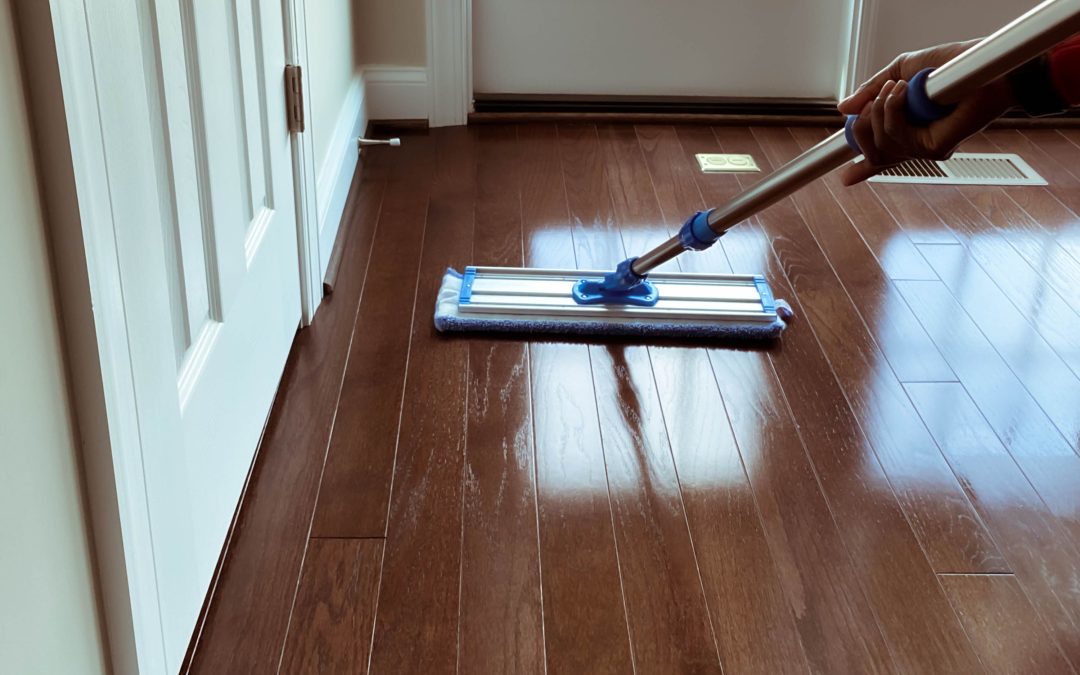
In most households, plain soap and water are the best choices for timber floors, with brooms, vacuums, and mops being the essential tools. The consummate timber floor mop is a microfiber flat-head or string mop that can be wrung out adroitly. Mop moisture control is essential, and the microscopic fibers are adept at trapping dirt and grime better than some traditional mop variations.
Combine a tablespoon of dish soap with a quart of water in a spray bottle. Working in tandem with the wood’s grain, evenly disperse a light mist over a 3×3 area and commence mopping. Always remember that water and moisture can inflict damage, so use minimal cleaning solution quantities. To avoid standing on a damp floor, work across the room in reverse. Rinsing isn’t necessary; just let your lumber floors air-dry. If they seem lackluster, employ a clean, dry microfiber mop to restore their shine.
Systematic Cleaning and Upkeep for Timber Flooring
Sweep Every Day
Daily sweeping is the cornerstone of hardwood floor care. Microscopic shoe debris can scar the wood’s surface, so investing in a quality soft-bristle broom is essential.
Vacuum the Planks
Contrary to popular belief, vacuums aren’t just for carpets. Use your vacuum’s extender attachments and round brush accessory to remove dust along baseboards and any residual particles between planks. Tiny particles may seem negligible, but over time, they contribute to surface scratches.
Wash or Wax Surfaces
Your floor’s surface seal will dictate the ideal cleaning method. Here’s a basic guideline:
– Use plain soap and water for surface-sealed floors.
– Wax oil-treated or untreated floors.
Surface-Sealed Floors
With a urethane, polyurethane, or polyacrylic seal, these floors offer enhanced resistance to stains and water damage. Your floor installer may have previously recommended a cleaning product; however, cost and availability can render them unfeasible options. In such instances, soap and water are the prime alternatives. Standard soap is mild enough not to dull or scratch the finish while still effectively cleaning. Mix a quarter cup of dish soap with a bucket of water and mop sparingly, making sure to thoroughly wring out the mop beforehand. Even with a sealed finish, timber remains sensitive to excess moisture.
Vinegar and water mixtures have a dedicated following; however, vinegar’s acidity may dull the wood over time. Focusing on soap and water is the safest option. For a pro tip, use distilled water to minimize floor streaks.
Oil-Treated or Untreated Floors
Penetrating-seal, oil-treated, lacquered, shellacked, varnished, and untreated floors require more labor for upkeep. Their lack of moisture resistance and susceptibility to general wear warrants wax treatments. Annually, use a floor stripper to safely remove old wax before applying a fresh thin layer to the dried floor. For optimal performance, utilize a liquid or paste wax specifically designed for timber floors—acrylic or water-based waxes can discolor the wood.
Preventative Care Advice
Some basic preventative measures can significantly extend your timber flooring’s lifespan:
– Affix floor protectors to your furniture legs to prevent floor scratches.
– Remove shoes upon entering the house to minimize debris-induced scarring.
– Keep your pets’ nails well-trimmed.
– Tend to wine spills on wood floors as diligently as on carpets to prevent warping.
– Wipe up excess water quickly to minimize prolonged exposure damage.
Now that you’re knowledgeable about hardwood floor cleaning, explore our collection of professional cleaning guides and plan your next project. Whether through our how-to guides or our popular residential cleaning services, The Maids endeavors to make your home a cleaner, healthier environment. Discover more and obtain your complimentary estimate today.